Discover Empty Spain
Explore Castillia La Mancha, the untouched treasure of Central Spain
Drive off the highway that leads North-East from Madrid into Castilla la Mancha, and with every kilometre, you will probe deeper into Spain's past. This region is home to a way of life that has barely changed for hundreds of years. Once settled by the Roman, Moorish and Spanish Empires, Castilla La Mancha was drained of its people during decades of Spanish urbanisation, industrialisation, and conflict.
But it is far from empty architecturally, culturally or gastronomically. Here you will discover a treasure-trove of unspoiled beauty, laced with medieval cathedrals, castles and monasteries. The province was re-conquered from the Moors by Christians in the 12th to 15th Centuries and populated with agricultural settlements.
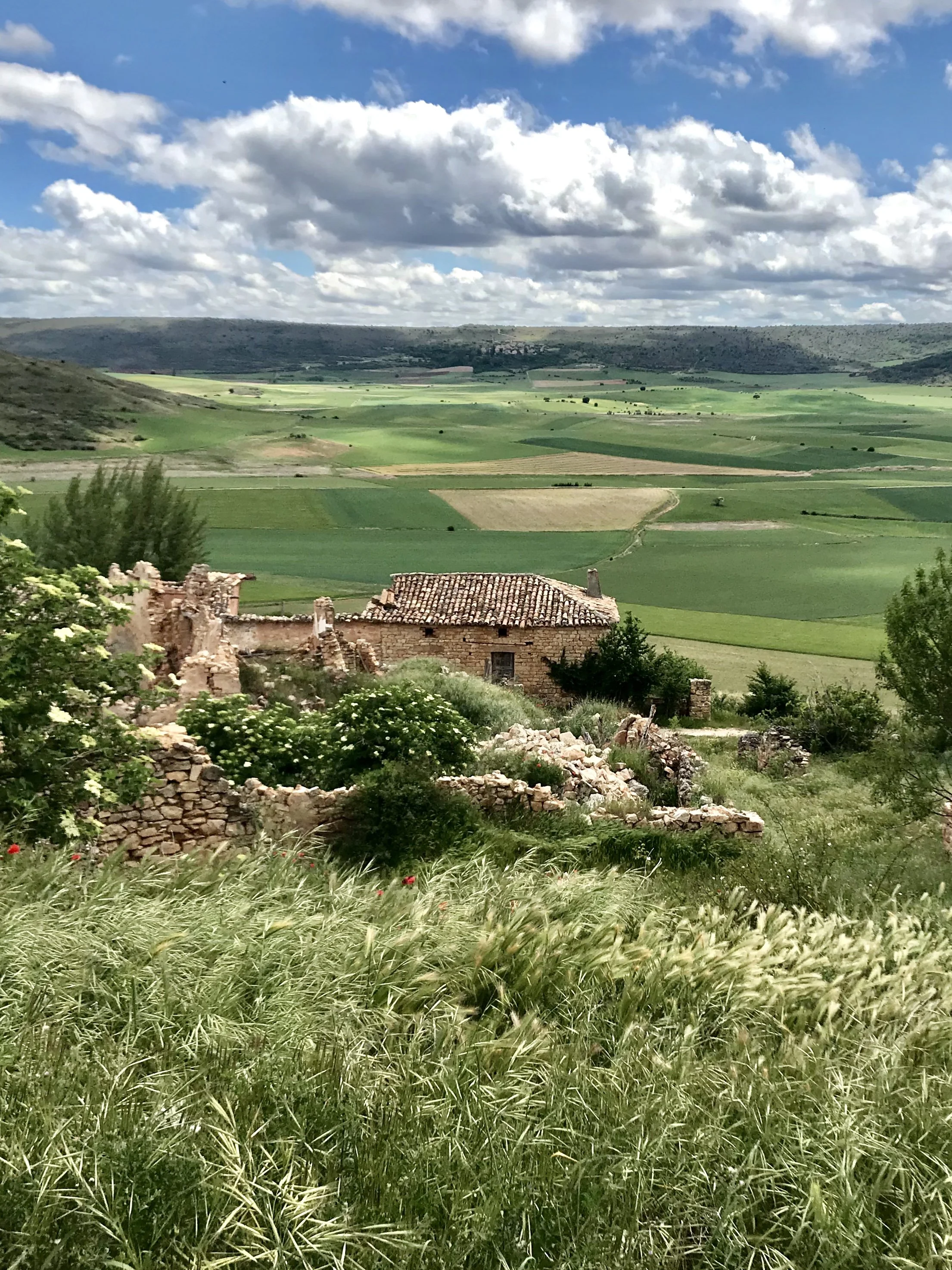
The village of Bujalcayado near Siguenza
Every village has a Romanesque church and garden terraces fed by natural mountain springs that tumble to the salt-rich plains from the hills of dense oak forest. You will find yourself in magnificent gorges beneath cliffs scraping the cloudless sky patrolled by soaring vultures and birds of prey. As you emerge onto the Meseta plains, you are 3,000 feet above sea level, and that dazzling blue Castilian sky stretches into far horizons.
It won't be long before this region becomes recognised as the next culinary destination. Some restaurants, like Noma in Siguenza, have already achieved international acclaim, and it is only a matter of time for others. Autumn is the season for the famous 'seta' mushrooms, and in winter, expect game stews cooked for hours over an open fire. The wines of neighbouring Rioja and Ribera del Duero are already well known, but Castilla la Mancha's vineyards are growing in reputation.
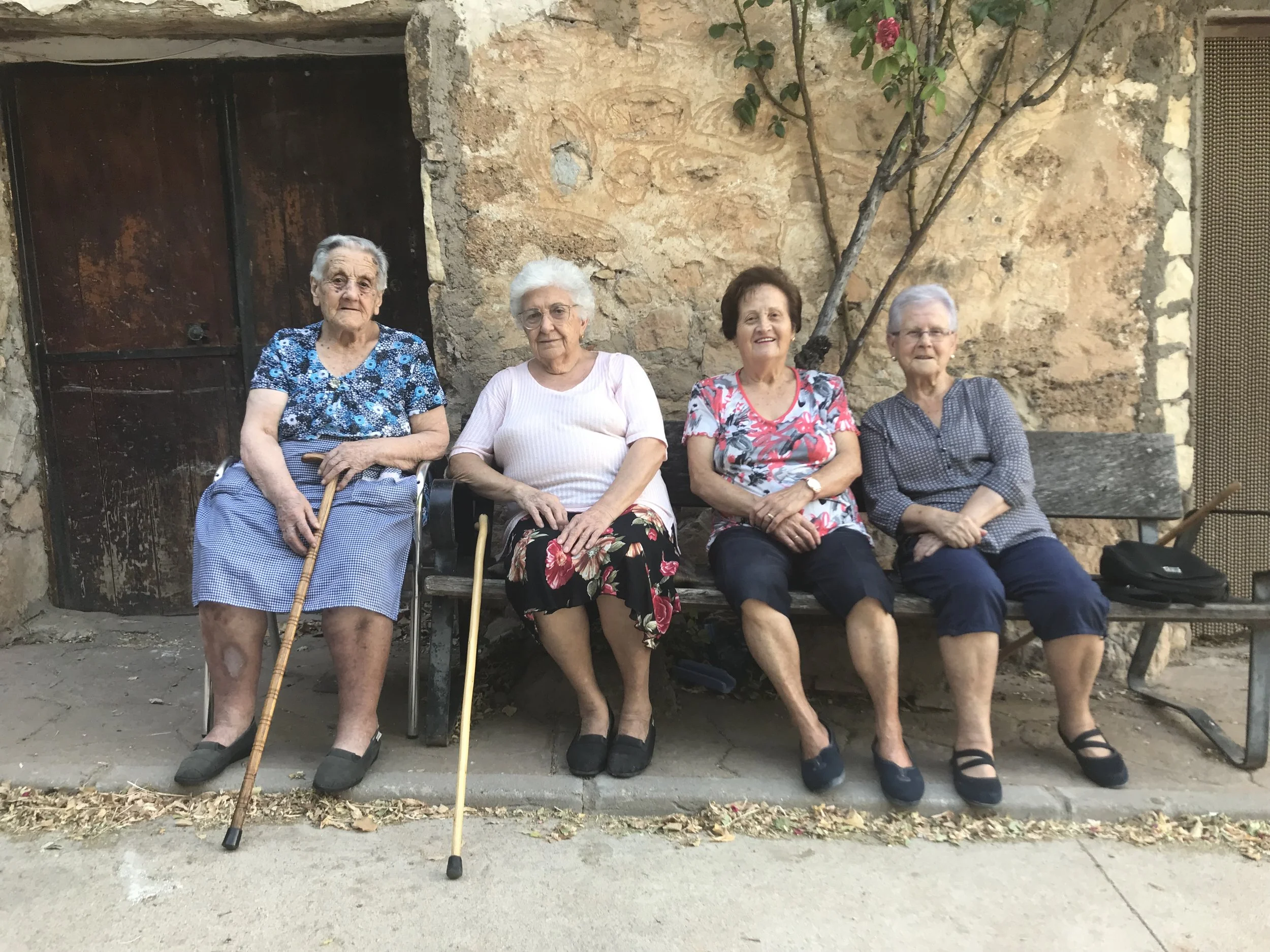
Residents in Carabias
Chat with the locals, and they will recount the colourful rhythm of La Mancha's seasons and the untouched solitude of its hills and valleys. The harsh winter is a time to retreat from the freezing snow beside blazing log fires. Springtime is radiant with emerging green crops and multicoloured wildflowers. The hot, dry summer is harvest time when fields of golden cereal crops, sunflowers and lavender are in full bloom. Autumn is late and warm, gilded with glowing poplars and the reds and browns of ploughed fields and hills scented with wild herbs.
Empty Spain defines so much of Spanish culture. Journey into the rural provinces that circle Madrid, and you will discover a way of life that has refused to bend to the demands of modernisation.
